

The Impact of British Horse Racing Not On: A Comprehensive Analysis
The world of British horse racing is renowned for its rich history, thrilling events, and significant cultural impact. However, the phrase “British horse racing not on” evokes a range of emotions and considerations, from economic implications to personal experiences for fans and participants alike. This article aims to explore these aspects in detail while also considering alternative options available to bettors and enthusiasts, such as British horse racing not on GamStop bookies not on GamStop horse racing.
The Historical Context of British Horse Racing
Horse racing in Britain dates back several centuries, with the sport evolving from informal celebrations into a formalized competition. The first recorded horse race took place in the 16th century, and since then, various events such as the Grand National, the Epsom Derby, and Royal Ascot have become integral parts of British culture. These events not only attract huge crowds but also generate substantial revenue for many sectors, including hospitality, tourism, and local businesses.
Economic Implications of Racing Events Being Canceled
When significant horse racing events are canceled, the economic impact can be profound. Betting revenues plummet, leading to losses for bookmakers, and local communities dependent on racing for income suffer as well. The ripple effects can be seen in various sectors, from hotels and restaurants to transport services and local vendors.
Moreover, the media landscape alters drastically without the buzz of anticipated races. Television networks, sports channels, and online platforms face reduced advertising revenues as interest wanes, creating a challenging environment for those reliant on the racing calendar.
The Fan Experience: Loss and Adaptation
For fans, horse racing provides a unique blend of excitement, community, and tradition. The cancellation of events disrupts this experience, leading to disappointment for those who attend races annually or regularly engage with the sport. However, many fans adapt by turning to alternative forms of entertainment, including virtual racing or international events that may still be operational.
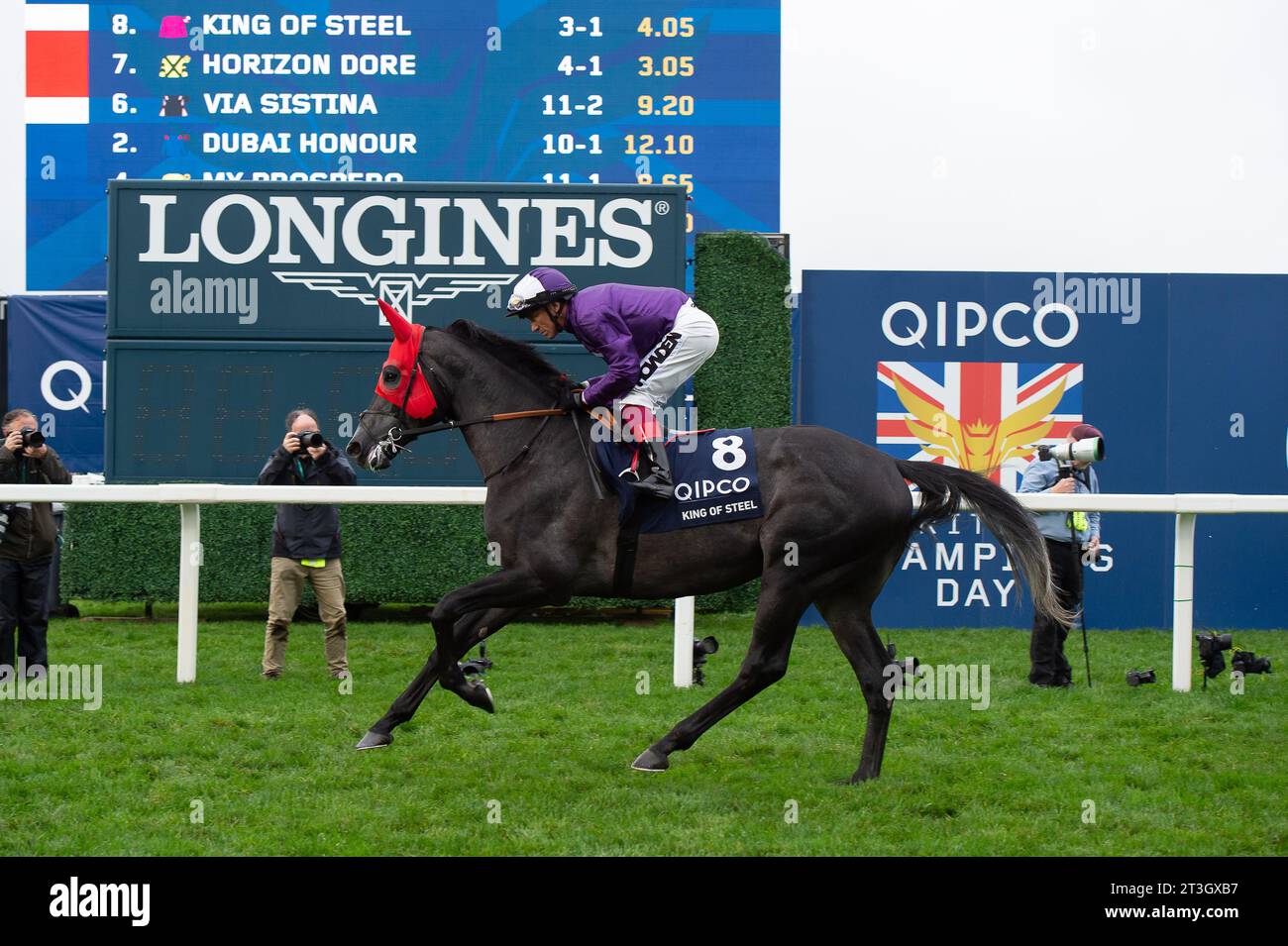
Online forums and social media platforms also become vibrant spaces for fans to discuss their shared disappointment and seek out new ways to engage with horse racing. The community aspect remains strong, providing a necessary outlet during turbulent times.
Alternative Betting Options
One avenue that many bettors explore when traditional racing events are not on is the option of placing wagers with bookies not on GamStop horse racing. These platforms provide an opportunity for bettors who are looking to engage with the racing world without the restrictions often imposed by GamStop, which is a self-exclusion program for gamblers in the UK. Players can find a range of racing options, including virtual races, international events, and even non-traditional sports.
While these alternatives can provide a necessary distraction, they also come with their own sets of challenges. Bettors need to ensure they are participating wisely, navigating the complexities of online betting and understanding the specific regulations that apply to non-GamStop operations.
The Future of British Horse Racing
As the world continues to change, so too must British horse racing adapt to maintain its relevance. The industry is already seeing innovative approaches to engage fans and bettors. From enhanced digital experiences to increased focus on international events and virtual races, the future may hold new opportunities that transform how fans engage with the sport.
Moreover, the integration of technology in racing, such as real-time data and analytics, is revolutionizing how bettors approach their wagers. These advancements are helping to modernize the industry, making it more accessible and engaging for a new generation of fans.
Conclusion
The phrase “British horse racing not on” is a reminder of the fragility of traditions in the face of external challenges. Despite the economic implications and personal disappointments that come with canceled events, there are ways for fans and bettors to adapt. By exploring alternative betting options with bookies not on GamStop horse racing and embracing digital innovations, the community can navigate these turbulent waters while holding on to their passion for the sport.
Ultimately, the resilience of the British horse racing community, alongside ongoing adaptations, will determine the future trajectory of this beloved tradition and help sustain its legacy for generations to come.