
Understanding Iran’s Secondary Sanctions: Implications and Impact
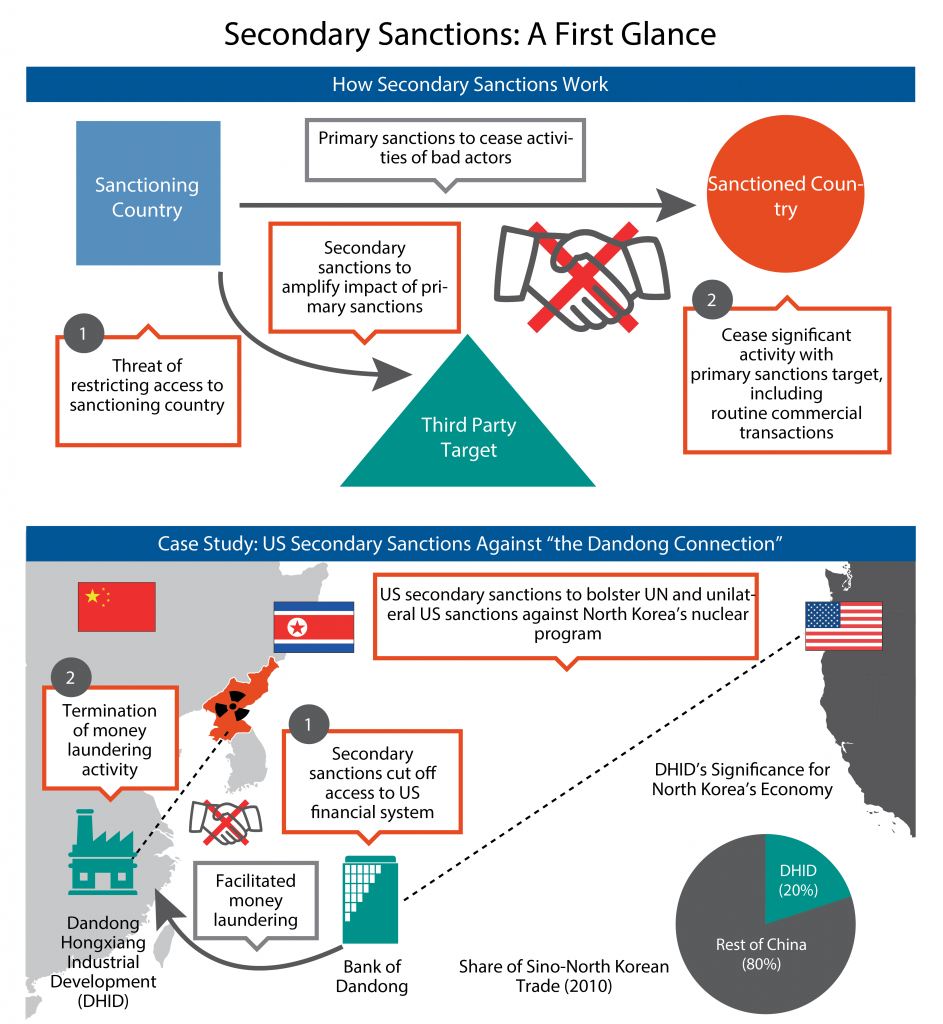
As global economies become increasingly interconnected, the impact of sanctions on international businesses cannot be overstated. In particular, more on Iran secondary sanctions reveals how nations navigate these challenging waters while maintaining compliance and pursuing opportunities for growth.
What Are Secondary Sanctions?
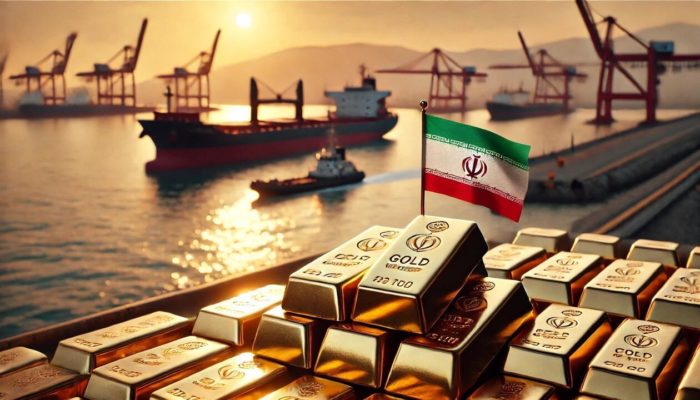
Secondary sanctions are measures imposed by a country that deter third parties—such as foreign nations, businesses, and individuals—from engaging in trade or investment with a sanctioned entity. In the context of Iran, these sanctions are designed to pressure the Iranian government over its nuclear program, human rights abuses, and regional behavior. Unlike primary sanctions, which directly target a specific country or organization, secondary sanctions aim to extend the reach of the sanctioning country’s laws into foreign jurisdictions.
The Origins of Iran’s Secondary Sanctions
Iran has faced a myriad of sanctions, with secondary sanctions gaining prominence following the United States’ withdrawal from the Joint Comprehensive Plan of Action (JCPOA) in 2018. The U.S. reinstated economic sanctions and supplemented them with secondary sanctions targeting countries and firms that conduct business with Iran. The rationale was clear: to isolate Iran economically and curb its influence in the Middle East.
Implications for International Businesses
For international businesses, secondary sanctions represent a significant risk factor. Companies looking to engage with Iran must navigate a complex landscape of compliance risks, potential penalties, and reputational damage. The fear of secondary sanctions has deterred many firms from pursuing lucrative opportunities in the Iranian market, despite its vast natural resources and consumer base.
Sectoral Impact of Sanctions
Various sectors have been directly affected by these sanctions, prominently including:
- Oil and Gas: Iran is rich in hydrocarbon resources, yet many international oil companies have withdrawn due to the risk of secondary sanctions, thereby limiting Iran’s ability to sell oil on the global market.
- Aerospace: Manufacturers involved in aircraft sales to Iran have faced stringent compliance challenges, resulting in a virtual halt to aircraft deliveries, even those initially permitted.
- Financial Services: Banks and financial institutions worldwide are hesitant to conduct transactions with Iranian entities, fearing that their operations could be compromised.
Legal Ramifications of Secondary Sanctions
The legal landscape surrounding secondary sanctions is complex and often ambiguous. Companies must implement comprehensive compliance programs to ensure adherence to U.S. regulations and avoid inadvertent breaches. Key legal ramification
s can include hefty fines, loss of access to U.S. financial systems, and legal actions from both the U.S. government and other affected parties. For firms doing business in multiple jurisdictions, balancing compliance with competing legal frameworks adds an additional layer of complexity.
Responses from Other Countries
In response to U.S. secondary sanctions, several countries have sought to establish mechanisms to protect their businesses. For instance, the European Union introduced the Blocking Statute, which prohibits EU firms from complying with U.S. sanctions regarding Iran. Additionally, efforts to increase trade with Iran through other currencies and alternative payment methods have emerged as countries strive to circumvent U.S. financial dominance.
Future Prospects: Navigating Uncertainty
Looking ahead, the landscape of Iran’s sanctions remains highly fluid. Political changes in the U.S. or Iran, as well as shifts in global alliances, can lead to significant alterations in sanctions policy. Businesses must remain vigilant, continuously assessing the regulatory environment and stakeholder sentiment to adapt their strategies accordingly.
Conclusion
Iran’s secondary sanctions are a testament to the complexities of international relations and economic governance. For businesses, understanding the multifaceted implications of these sanctions is crucial to navigating future opportunities and risks in the Iranian market. As geopolitical tensions evolve, the discourse around secondary sanctions is likely to grow, and companies must be proactive in managing compliance and legal obligations while seeking to expand their operations in this challenging environment.